Updated July 2026
Best Shoes for Wide Flat Feet
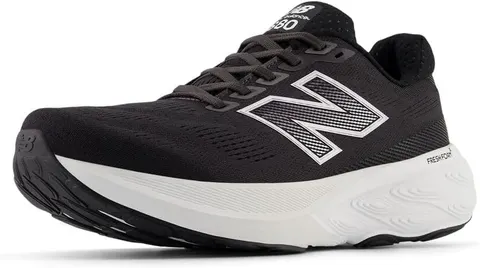
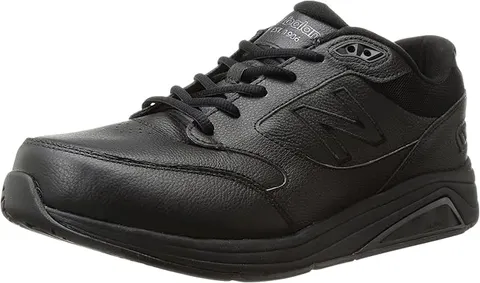
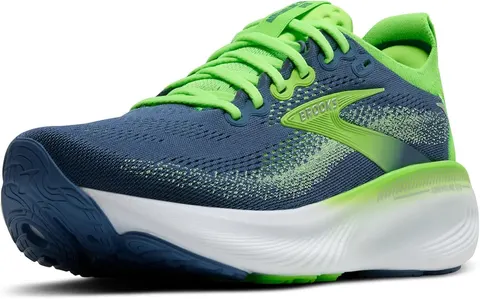
A collapsed arch tends to splay the forefoot wider under load, which is exactly why flat feet and wide feet show up together so often. These picks have genuine wide-width options, not just a slightly softer upper.
This post contains Amazon affiliate links. We may earn a commission on qualifying purchases at no extra cost to you. See our
affiliate disclosure.
Why flat feet and wide feet go together
When the arch collapses under load, the foot doesn't just flatten vertically — it tends to spread horizontally too, since there's less arch structure holding the midfoot's width in check. That's why so many people with flat feet also find themselves squeezed in standard-width shoes, even when their foot didn't measure as wide in a specific fitting. The forefoot splay happens dynamically, under body weight, which a static measurement doesn't always capture.
This matters because a shoe that has plenty of arch support but a narrow toe box can still cause real discomfort — pinching, numbness, or bunions made worse over time. The picks above were chosen because they combine genuine wide-width options with real arch support, rather than just one or the other.
How to check if you actually need a wide width
- Check for pressure marks. Red marks or indentations on the sides of your feet after wearing standard-width shoes are a clear sign.
- Trace your foot late in the day. Feet swell slightly through the day, especially if they're already flat and under more load. Trace both feet in the evening, standing, and compare the width to your current shoes' insole.
- Don't rely on shoe size alone. Length and width are independent measurements. A correct length in a narrow width can still cause the same problems as buying too-short shoes.
Most of the brands above offer a "D" (standard), "2E" (wide), and sometimes "4E" (extra-wide) range for men's sizing, and a similarly tiered system for women's — checking the specific width option before buying, rather than assuming "wide-looking" styling means a true wide fit, saves a lot of returns.
Bunions change the calculation
If width discomfort is concentrated specifically around the big toe joint rather than across the whole forefoot, that's more specifically a bunion issue. See our
best shoes for bunions and flat feet guide for picks chosen around that specific pressure point.
Frequently asked questions
Does having flat feet always mean I need wide shoes?
No, but it's common enough to check. A collapsed arch often causes the forefoot to spread wider under load, even if a static foot measurement doesn't show it. Checking for pressure marks after wearing standard-width shoes is a quick way to tell.
Is a wide toe box the same as a wide shoe?
Not quite. A wide toe box refers to the front of the shoe specifically, while a wide-width shoe is sized wider throughout, including the midfoot. Some shoes offer a roomy toe box without a true wide-width option, which helps less if your midfoot is also wide.
Should I size up instead of buying a wide width?
Sizing up adds length, not width, so it doesn't reliably fix a width problem and can create heel-slip issues instead. A true wide-width option in your correct length is almost always the better fix.