Updated October 2026
Best At-Home Tools for Flat Feet and Arch Pain
Shoes and insoles support your feet while you're on them. These inexpensive tools work on the other half of the problem, tight calves, a stiff plantar fascia, and weak foot muscles, in a few minutes a day at home.
This page contains Amazon affiliate links. If you buy through them, I may earn a commission at no extra cost to you. See the
affiliate disclosure.
Quick picks
Six tools, each for a different job. You don't need all of them: start with the one that matches your main complaint.
How these picks were chosen
These are research-based picks, not a claim that I've worn every pair on this page. I compared manufacturer specifications against the features that matter most for flat feet — heel-counter firmness, midsole stability, a removable insole for orthotics, and wide-size availability — and read through patterns in verified buyer feedback. See
how I evaluate shoes and the
medical disclaimer.
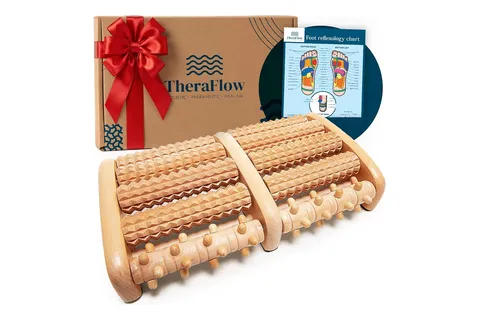
Rolling the sole of your foot over a ridged roller is one of the simplest ways to ease a tight, tired arch. TheraFlow's wooden roller has massage rows and nubs that follow the arch of the foot, plus a non-slip base, and it's one of the most-rated foot-care products on Amazon.
Why it suits flat feet
- Ridged rows and nubs massage the whole sole
- Shaped to follow the foot's arch
- Non-slip base, use it under a desk
- No batteries, very durable
Drawbacks
- Firm wood can feel intense on sore feet at first
- Doesn't stretch the calf
- Massage relief is temporary
Who should buy it
Anyone whose arches ache at the end of the day.
Who should skip it
Acute injuries or swelling; see a professional first.
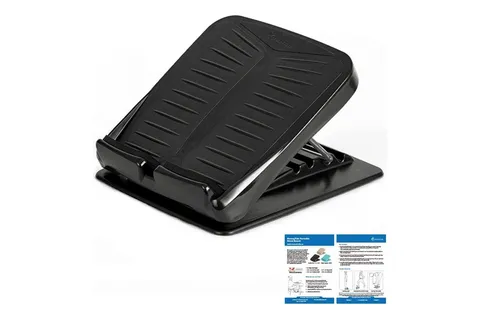
Tight calves pull on the heel and increase strain on the arch and plantar fascia, and they're common with flat feet. A slant board makes calf stretching easy and consistent: just stand on it. The StrongTek has five incline settings, a non-slip surface, and a heel lip.
Why it suits flat feet
- Five adjustable angles to progress gradually
- Non-slip surface and heel lip
- Light, compact, portable
- Also useful for squats and mobility work
Drawbacks
- Easy to overdo at steep angles
- Plastic board, not as solid as wood
- Needs consistent daily use to help
Who should buy it
Anyone with tight calves, Achilles tightness, or plantar fasciitis.
Who should skip it
Anyone with an acute Achilles injury; get it assessed first.
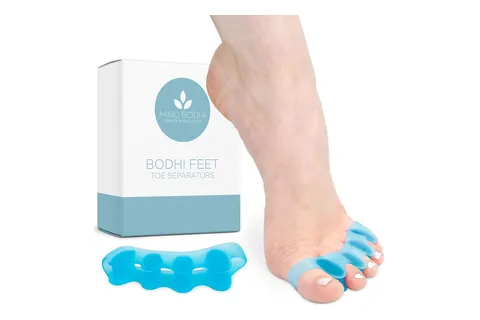
Toe spacers gently spread toes that shoes have squeezed together, and many people use them during foot-strengthening routines. Mind Bodhi's are made from medical-grade, latex-free gel, can be worn barefoot or in roomy shoes, and have tens of thousands of ratings.
Why it suits flat feet
- Soft, latex-free medical-grade gel
- Wear barefoot, with socks, or in roomy shoes
- Pairs well with foot exercises
- Inexpensive
Drawbacks
- Won't change arch structure on their own
- Sizing is limited (regular fits women 6–10, men 7–9)
- Don't fit in narrow shoes
Who should buy it
Anyone doing foot-strengthening exercises, or with toes cramped by tight shoes.
Who should skip it
Anyone expecting arch support; these work on the toes.
Which tool should you start with?
| If your main problem is… | Start with |
|---|
| Aching arches at the end of the day | Foot roller |
| Tight calves or Achilles | Slant board |
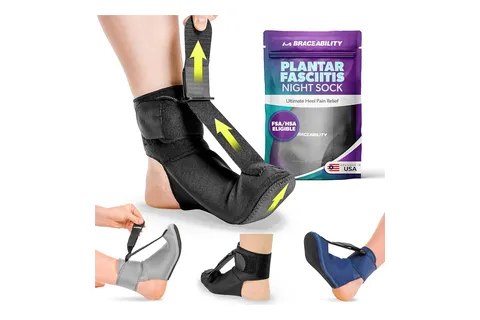
| Painful first steps in the morning | Night splint + slant board |
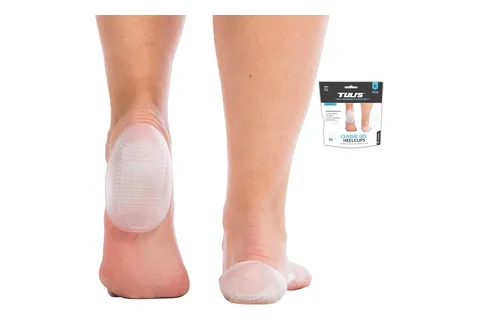
| Heel pain on hard floors | Gel heel cups |
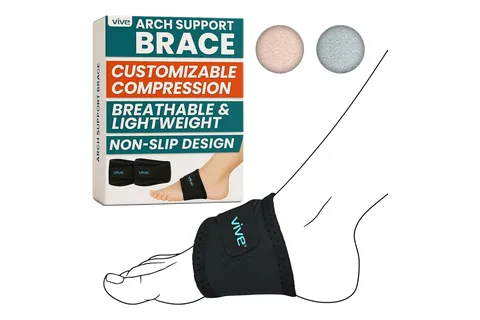
| Shoes with no room for an insole | Arch brace |
| Building foot strength | Toe spacers + exercises |
None of these replace a supportive shoe or insole. They work on flexibility, strength, and recovery, while your footwear handles support during the day. The combination of a supportive shoe, a daily stretching habit, and something to help recovery tends to work better than any one of them alone.
When to see a professional
If pain is sharp, getting worse, keeps you awake, or hasn't improved after a few weeks of sensible self-care, see a podiatrist or physical therapist. And if you have diabetes or circulation problems, check with your doctor before using braces, splints, or massage tools.
Frequently asked questions
Do foot rollers help flat feet?
A foot roller won't change the structure of a flat foot, but rolling the sole can ease tightness and aching in the arch and plantar fascia, especially at the end of the day. It works best as part of a routine with stretching and supportive shoes.
Is a slant board good for plantar fasciitis?
Calf stretching is one of the most commonly recommended self-care steps for plantar fasciitis, and a slant board makes it easy to do consistently. Start at a gentle angle and increase gradually.
Do toe spacers fix flat feet?
No. Toe spacers spread and realign the toes, which some people find comfortable and helpful during strengthening exercises, but they don't build or support an arch on their own.