Updated July 2026
Best Running Shoes for Flat Feet
Running puts more repetitive load through your arch than walking or standing, which is exactly why the wrong shoe shows up fastest here — usually as knee, shin, or arch soreness after a few miles. These are the stability shoes that have held up best in our own runs.
This post contains Amazon affiliate links. We may earn a commission on qualifying purchases at no extra cost to you. See our
affiliate disclosure.
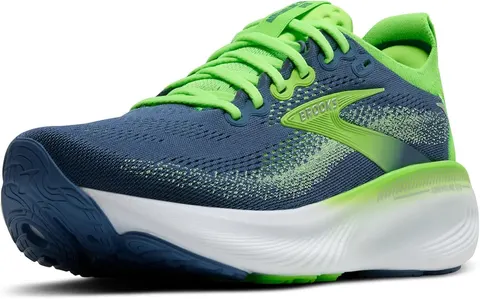
Rather than a firm wedge under the arch, the Adrenaline GTS controls excess motion at the heel and forefoot from the outside, which lets the ride feel smoother while still reining in overpronation. It's become a default recommendation among run specialty stores for a reason.
What we liked
- Support doesn't feel like a rigid wedge underfoot
- Reliable for both training runs and daily walking
- Consistent fit release over release
Drawbacks
- On the heavier side for race-day use
- Firmer ride than max-cushion neutral shoes
- Not ideal for severe overpronation
Who should buy it
Runners with mild-to-moderate overpronation logging regular training miles.
Who should avoid it
Racers wanting a lightweight shoe, or runners with severe overpronation needing firmer control.
Read our full Brooks Adrenaline GTS review →
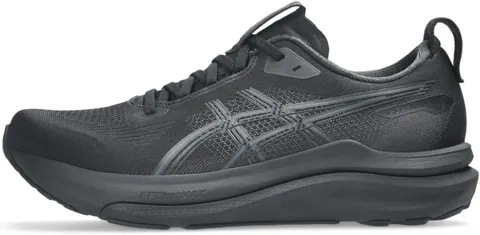
The Kayano's support is more noticeable underfoot than the Adrenaline's, which is exactly what makes it a better match for runners whose arch collapses significantly. The plush cushioning stops that firmer support from feeling harsh.
What we liked
- Firmer, more noticeable arch-side support
- Plush ride despite the added structure
- Durable outsole holds up over high mileage
Drawbacks
- Can feel like overkill for mild flat feet
- Narrower midfoot fit for some wearers
- Higher price point
Who should buy it
Runners who've found softer stability shoes don't control their overpronation enough.
Who should avoid it
Anyone with mild flat feet who prefers a lighter, less structured ride.
Read our full ASICS Gel-Kayano review →
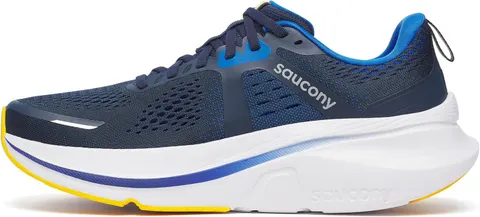
The Guide doesn't have the brand recognition of the other two, but it consistently delivers solid mild-stability support at a lower price point, making it a sensible starting point if you're not sure how much structure you actually need yet.
What we liked
- Lower price than most stability competitors
- Lighter feel than the Kayano or Adrenaline
- Good entry point for testing whether you need more or less support
Drawbacks
- Less structured support for severe overpronation
- Shorter outsole lifespan than premium options
- Narrower size range available
Who should buy it
Budget-conscious runners with mild overpronation who want a lighter stability shoe.
Who should avoid it
Runners needing firm, structured motion control.
Read our full Saucony Guide review →
Stability vs. motion control: which do you need?
"Stability" and "motion control" get used loosely by shoe brands, but the difference matters for flat feet:
- Stability shoes gently guide the foot through its natural motion, reducing excess inward roll without eliminating it. They suit mild-to-moderate overpronation and flexible arches.
- Motion-control shoes are firmer and more structured, built to limit inward roll more aggressively. They tend to suit severe overpronation, higher body weight, or rigid flat feet.
If you're unsure which category fits, start with a stability shoe like the Adrenaline GTS. If you still feel excess arch fatigue after a few weeks, step up to a firmer option like the Kayano.
A note on running form
Shoes can only do so much. If pain persists despite a supportive shoe, consider having your running form assessed by a physical therapist or podiatrist — cadence, stride length, and strength imbalances all play a role too.
Frequently asked questions
Do I need a motion-control shoe or a stability shoe?
Stability shoes suit mild-to-moderate overpronation and work for most people with flexible flat feet. Motion-control shoes are firmer and built for severe overpronation or higher body weight; they can feel excessive if your pronation is mild.
Can I run in a neutral shoe if I have flat feet?
Some people with flat feet run comfortably in neutral shoes, especially if their arch is flexible and pronation is mild. It's not a universal rule — if a neutral shoe leaves you with arch or knee soreness after runs, a stability shoe is worth trying.
How long does it take to adjust to a new stability running shoe?
Give a new stability shoe 1-2 weeks of regular use, including a couple of longer runs, before judging it. Lower legs and feet need a short adjustment period to a new support pattern.