Updated July 2026
Best Shoes for Flat Feet: Our Top Picks Across Every Category
This roundup pulls our top recommendation from each category we cover. For category-specific detail, see our dedicated guides for running, walking, work, gym, and sandals. If your shoes are already fine but your feet still ache, our insoles guide is often the cheaper fix.
This post contains Amazon affiliate links. We may earn a commission on qualifying purchases at no extra cost to you. See our
affiliate disclosure.
Quick answer
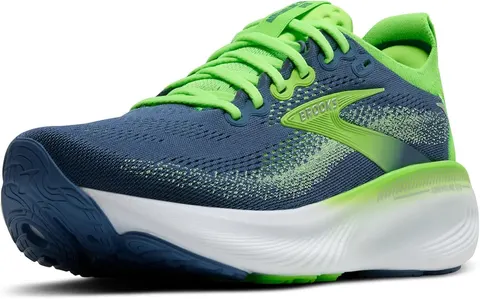
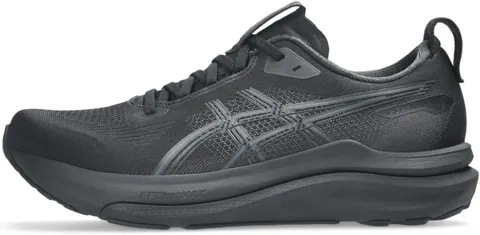
If you only read one section, read this: for most people with flat feet, a stability running shoe with a firm medial post (like a Brooks Adrenaline GTS or ASICS Gel-Kayano) works as a reliable everyday shoe too, not just for running. Start there, and refine based on the category below that matches how you'll actually use the shoe.
The Adrenaline GTS has been a go-to stability shoe for years, and for good reason: instead of a traditional rigid medial post, it uses guide rails along the outside of the heel and forefoot to keep excess motion in check without making the shoe feel stiff underfoot. For flat feet, that translates into a shoe that feels supportive without feeling like you're standing on a plank.
What we liked
- Support feels natural rather than corrective
- Consistent sizing across releases
- Comfortable enough for all-day wear, not just workouts
Drawbacks
- Heavier than neutral running shoes
- Not a specialized walking or dress shoe
- Premium price relative to basic sneakers
Who should buy it
People with mild-to-moderate overpronation who want one reliable shoe for walking, standing, and casual runs.
Who should avoid it
Serious runners chasing race times, or anyone needing a dress or work-appropriate shoe.
Read our full Brooks Adrenaline GTS review →
The Gel-Kayano leans more traditional than the Adrenaline, with a firmer, more noticeable support structure on the inner edge of the midsole. If your arch collapses significantly when you stand or walk, that extra structure can make a real difference in how tired your feet feel by the end of the day.
What we liked
- Noticeably firmer arch-side support
- Plush cushioning offsets the firmer support structure
- Durable outsole for daily wear
Drawbacks
- Runs slightly narrow in the midfoot for some wearers
- Can feel like "too much shoe" for mild flat feet
- Bulkier profile than lifestyle sneakers
Who should buy it
Anyone with noticeable arch collapse who has found softer stability shoes aren't supportive enough.
Who should avoid it
Wearers with mild flat feet who find firmer support uncomfortable rather than helpful.
Read our full ASICS Gel-Kayano review →
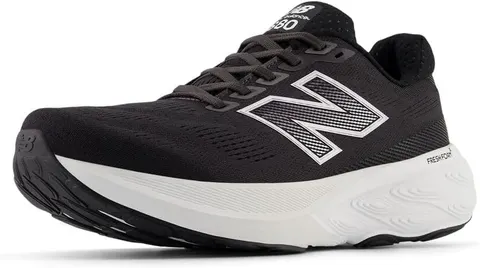
Not marketed specifically as a "flat feet shoe," the 990 series earns a spot here because of its wide, stable platform and genuinely useful width range — something people with flat feet and wider forefeet often struggle to find. It won't replace a dedicated running shoe, but as an everyday sneaker it holds up well.
What we liked
- Excellent width options, including extra-wide
- Stable, wide base reduces side-to-side rocking
- Classic look that works outside of "athletic shoe" contexts
Drawbacks
- Heavier than dedicated performance shoes
- Less structured arch support than the Kayano or Adrenaline
- Higher price point for a lifestyle sneaker
Who should buy it
Anyone who needs a wide-fitting, all-purpose sneaker for daily wear rather than sport-specific performance.
Who should avoid it
Runners or anyone needing dedicated motion-control support for high-mileage activity.
Read our full New Balance 990 Series review →
How to choose between these (and other) shoes
Start with how you'll actually use the shoe most of the time. A shoe that's excellent for running can feel overbuilt for an 8-hour retail shift, and a great work shoe might feel clunky on a 5-mile run. From there:
- Check your arch flexibility, not just "flat feet" as a label. A rigid flat foot and a flexible flat foot benefit from different support levels — a flexible arch usually tolerates more structured support well, while a rigid arch may prefer cushioning over correction.
- Try shoes on later in the day. Feet swell slightly over the day, and a shoe that fits at 8am can feel tight by 4pm.
- Don't ignore width. Flat feet often come with a wider forefoot. A shoe that's technically supportive but too narrow will still feel bad.
- Give it two weeks before judging. Some supportive shoes need a short adjustment period as your feet and lower legs adapt to the new support pattern.
Shopping a European or UK brand?
If a size on this page is listed in a scale you don't normally shop in, use our
shoe size conversion chart and calculator to convert between EU, US, UK, and CM before you buy.
Mistakes people make when buying shoes for flat feet
After years of trial and error (and some expensive mistakes), these are the patterns we see most often:
Buying based on the words "arch support" alone
Marketing copy uses "arch support" loosely. A shoe can claim arch support and still collapse under real weight. Read reviews that describe how the shoe behaves after miles of wear, not just its spec sheet.
- Buying a size down because "supportive shoes run big" — usually they don't; a cramped toe box just adds a second problem.
- Stacking a rigid insole into an already-soft shoe, which can create pressure points instead of solving the support issue.
- Assuming the most expensive shoe in a lineup is automatically the most supportive — often it's just the most cushioned.
- Ignoring the break-in period, then returning a shoe after two days that would have felt fine after two weeks.
Have a more specific situation?
Flat feet often overlap with another condition or a specific need, and the general picks above aren't always the best fit once that's the case. See our dedicated guides for plantar fasciitis, overpronation, wide feet, bunions, or diabetic foot care, all alongside flat feet specifically.
Frequently asked questions
What's the single most important feature for flat feet?
A stable, supportive midsole that resists collapsing inward matters more than any single spec. A firm heel counter and appropriate arch support come next. No single feature fixes fit for everyone — your ideal shoe depends on your arch flexibility and body weight.
Are expensive shoes always better for flat feet?
No. Price often reflects cushioning technology or brand marketing more than arch support. Some mid-priced stability shoes outperform premium models for flat-foot support specifically.
How often should I replace shoes if I have flat feet?
As a general guideline, replace supportive shoes every 300-500 miles of walking or running, or every 6-12 months of regular wear, since worn-out midsoles lose the support that made them helpful in the first place.