Updated July 2026
Best Shoes for Diabetics with Flat Feet
Diabetic foot care raises the stakes on shoe choice well beyond comfort — reduced sensation means a poorly fitting shoe can cause real damage before it's even felt. Here's what matters, with picks chosen around protection first.
This post contains Amazon affiliate links. We may earn a commission on qualifying purchases at no extra cost to you. See our
affiliate disclosure.
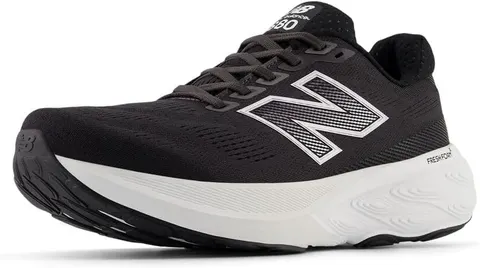
A smooth, mostly seam-free interior and genuine depth for a custom or aftermarket insole make this a reasonable starting point, alongside its true wide-width availability for feet that need extra room without pressure points.
What we liked
- Wide and extra-wide options reduce pressure-point risk
- Enough internal depth for a diabetic insole if prescribed
- Supportive, stable base reduces fall risk
Drawbacks
- Not marketed or certified specifically as a diabetic shoe
- Premium price point
- Break-in period for the upper
Who should buy it
A starting point for people wanting a well-fitting, protective everyday shoe alongside podiatrist guidance.
Who should avoid it
Anyone who has been specifically prescribed a certified diabetic/therapeutic shoe by their doctor — follow that guidance instead.
Read our full New Balance 990 Series review →
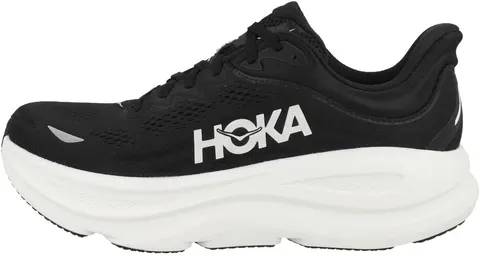
Thick, even cushioning spreads pressure across a larger area of the foot rather than concentrating it at the heel or forefoot, which is a relevant consideration when sensation is reduced.
What we liked
- Very even pressure distribution underfoot
- Soft upper avoids rigid pressure points
- Rocker sole reduces strain through the step
Drawbacks
- Less structured arch support than a stability shoe
- Tall stack height changes balance for some wearers
- Not a substitute for a properly measured therapeutic shoe
Who should buy it
People prioritizing even pressure distribution and softness over structured arch correction.
Who should avoid it
Anyone needing firm arch support as the primary concern.
Read our full Hoka Bondi review →
Read this before anything else on this page
Diabetic foot complications are a serious medical issue, and reduced sensation from neuropathy means injuries can go unnoticed until they're severe. This page reflects general, non-medical footwear guidance based on public information about diabetic foot care, not a substitute for guidance from your doctor or podiatrist. If you've been prescribed specific therapeutic or diabetic shoes, follow that guidance over anything suggested here. See our full
medical disclaimer.
Why this is different from ordinary shoe shopping
For most people, an uncomfortable shoe causes noticeable pain that prompts a change before real damage happens. Diabetic neuropathy can blunt or eliminate that warning signal, which means a seam rubbing the wrong way, a pressure point from a poor fit, or a small object inside the shoe can cause a blister or wound without ever being felt. Combined with flat feet — which already redistribute pressure unevenly across the foot — the margin for error in shoe choice gets meaningfully smaller.
What to prioritize in a shoe
- Seamless or minimally-seamed interior. Internal seams are a common, preventable source of friction injuries.
- Extra depth. Enough internal volume to accommodate a specialist-prescribed diabetic insole without cramming the foot.
- Breathable materials. Reduces moisture buildup, which matters for skin integrity.
- A wide, accommodating toe box. Reduces pressure points and lets toes sit naturally rather than crowded together.
- A firm, stable base. Flat feet plus reduced sensation can affect balance; a stable sole reduces fall risk.
If your doctor has prescribed a certified therapeutic or diabetic shoe (sometimes called an "A5500" shoe in the US, covered in some cases by insurance), that prescription should take priority over any general recommendation on this page.
Daily habits that matter as much as the shoe
Podiatrists commonly recommend a daily visual foot check (using a mirror if needed) to catch cuts, blisters, redness, or swelling before they become serious, precisely because reduced sensation means you can't rely on feeling a problem develop. Checking the inside of shoes for debris or worn interior linings before putting them on is a similarly low-effort habit worth building.
Frequently asked questions
Is this page a substitute for a podiatrist's advice?
No. This page reflects general, non-medical footwear guidance based on public information about diabetic foot care. If you have diabetes, regular podiatrist checkups and any specific footwear guidance from your doctor should take priority over anything suggested here.
What is a 'diabetic shoe' exactly?
It typically refers to a therapeutic shoe designed with a seamless interior, extra depth, and pressure-reducing features, sometimes prescribed by a doctor and in some cases partially covered by insurance (in the US, often referred to as an A5500 shoe). Not every diabetic needs one, but they're worth asking a doctor about if you have neuropathy or a history of foot ulcers.
Why does flat feet make diabetic foot care more complicated?
Flat feet already redistribute pressure unevenly across the foot, which combined with reduced sensation from neuropathy increases the risk of an unnoticed pressure injury developing in a spot that's taking more load than it should.