Research-based review
Hoka Bondi Review: Maximum Cushioning for Flat Feet
Research by Arshak Nersisyan · Published July 18, 2026 · 5 min read
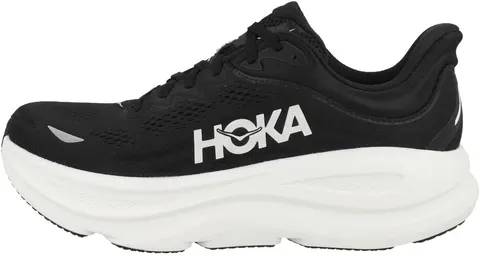
Short version: the Bondi's tall stack height looks excessive in photos, but its wide platform underneath keeps it surprisingly stable — which matters more for flat feet than the cushioning alone.
This post contains Amazon affiliate links. We may earn a commission on qualifying purchases at no extra cost to you. See our
affiliate disclosure.
Our score breakdown
Scored out of 10 using the same methodology across every review on this site — see how we score for the full criteria.
Why the Bondi's height isn't the whole story
Hoka built its brand around maximalist stack heights, and the Bondi is one of the tallest in its lineup. The instinct with flat feet is often to worry that a tall, soft platform means less stability — more foot to wobble on top of. Hoka's answer to that is a notably wide base underneath the stack, which spreads ground contact out and resists the tipping sensation a narrower tall shoe would create.
Where it actually helps: hard floors
The Bondi's most consistent use case in buyer feedback is standing and walking on concrete or tile for extended periods — retail, healthcare, hospitality shifts. Flat feet tend to transmit more impact shock upward through the leg on hard surfaces because there's less natural arch to absorb it, and that's precisely the gap the Bondi's thick midsole is designed to fill.
Height with structure, not height alone
The lesson from the Bondi's design isn't "more cushioning is always better" — it's that stack height needs a wide base to stay stable. A tall, narrow shoe would be a bad idea for flat feet; a tall, wide one can work well.
Arch support vs. cushioning
Compared to the New Balance 928's more structured, walking-specific stability, the Bondi leans further toward cushioning than dedicated arch support. It's a reasonable trade-off for people who prioritize shock absorption over firm structure, but it's a different tool for a similar job.
Where it falls short
- Adjustment period. The tall platform takes some getting used to for people coming from low-profile shoes.
- Less arch structure. Softer, less targeted support than the 928's rollbar system.
- Weight. Heavier than low-profile walking shoes due to the added midsole material.
Who this shoe is right for
Good fit
People on hard floors all day who prioritize shock absorption and are comfortable with a taller platform underfoot.
Bottom line
The Bondi's design makes a specific bet: that a wide base can make extreme cushioning stable rather than wobbly. For people standing on hard floors all day with flat feet, that bet generally pays off.
Frequently asked questions
Is a tall stack height like the Bondi's bad for flat feet?
Not inherently. What matters more than stack height alone is the base width underneath it — the Bondi pairs its thick midsole with a wide platform specifically to keep it stable despite the height.
Is the Hoka Bondi good for standing on concrete all day?
Yes, this is one of its most common recommended uses — its thick midsole is specifically designed to absorb the repeated impact of standing and walking on hard, unforgiving surfaces.