Updated July 2026
Best Shoes for Overpronation
Overpronation and flat feet get treated as the same thing, but they're not — you can have one without the other. These picks target overpronation specifically, whatever your arch height looks like.
Updated July 2026
Overpronation and flat feet get treated as the same thing, but they're not — you can have one without the other. These picks target overpronation specifically, whatever your arch height looks like.
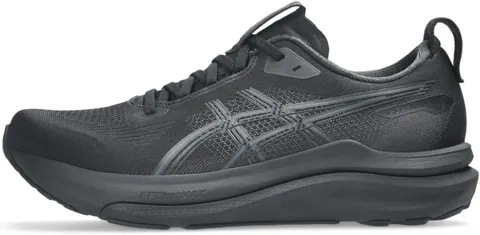
For overpronation that's clearly visible in worn-out shoes or noticeable inward ankle roll, the Gel-Kayano's firmer, more structured medial support gives something concrete to push back against.
Runners and walkers with clearly significant overpronation, regardless of arch height.
Mild overpronators who'd feel overcorrected by this much structure.
Read our full ASICS Gel-Kayano review →
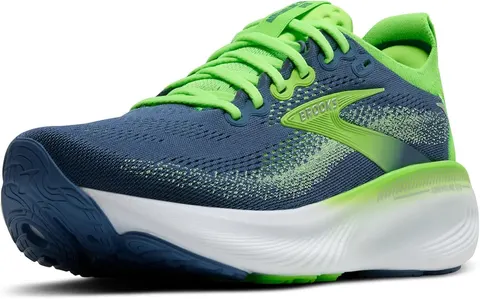
GuideRails support limits excess motion at the heel and forefoot from the outside, rather than forcing correction through the arch, which makes it a gentler entry point for people newly diagnosed with overpronation.
Anyone newly dealing with mild-to-moderate overpronation who wants a gentler starting point.
Severe overpronators who've already outgrown lighter stability shoes.
Read our full Brooks Adrenaline GTS review →
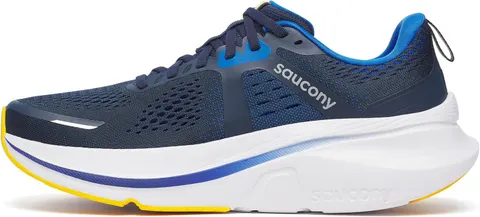
A sensible, lower-cost way to test whether you actually need structured support before committing to a premium pair, without giving up real stability features.
Budget-conscious buyers with mild overpronation who aren't sure how much shoe they need yet.
Anyone who already knows they need firm, structured control.
Read our full Saucony Guide review →
Overpronation describes what your foot does when it lands — it rolls inward more than a "neutral" amount as your weight moves from heel to toe. Flat feet describe the shape of your arch when you're standing still. The two are correlated because a collapsed arch often leads to more inward roll, but plenty of people with flat feet don't overpronate significantly, and some people with normal-looking arches do. If you've been recommended a "stability shoe for flat feet" without anyone actually watching how your foot moves, it's worth understanding this distinction before buying.
Because of that overlap, most of the shoes recommended for flat feet on this site are also solid overpronation picks and vice versa — the difference is which factor is actually driving your discomfort.
A few practical signals, none of which require special equipment:
None of these replace a proper gait analysis at a running specialty store or a podiatrist's assessment, but they're a reasonable starting point before buying a shoe based on a guess.
Yes. Overpronation is about how the foot moves on impact, while flat feet describe arch height at rest. They're correlated but not identical, and some people with normal-looking arches still overpronate noticeably.
Not necessarily. A worn-shoe check, the wet footprint test, and a mirror check of ankle position at rest are reasonable starting signals. A running specialty store gait analysis or a podiatrist visit is more precise if you want certainty before a purchase.
No. Overcorrecting with a motion-control shoe when your overpronation is actually mild can feel rigid and uncomfortable without adding real benefit. Match the shoe's firmness to how significant your overpronation actually is.

I'm 32, based in Yerevan, Armenia, and I have grade 2 flat feet myself. Every review, guide, and comparison on this site is based on my own first-hand experience shopping for and wearing footwear, not clinical training. Read more about my approach, or see my medical disclaimer.