Research-based review
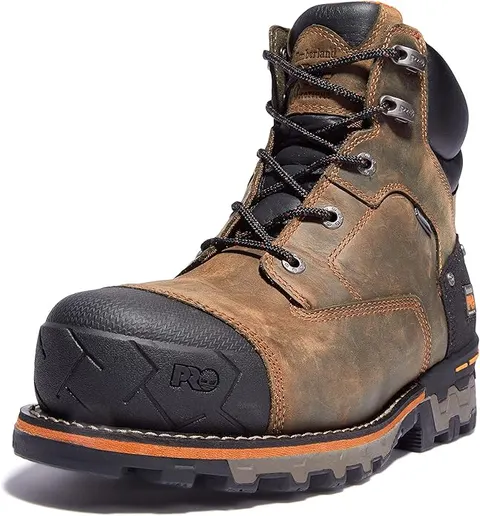
Timberland PRO Composite Toe Review: Safety Meets Support
Research by Arshak Nersisyan · Published July 18, 2026 · 5 min read
Short version: where comfort-first work shoes like the Skechers Relaxed Fit prioritize cushioning, the Timberland PRO line prioritizes durability and protection without giving up on a genuinely stable base underfoot.
This post contains Amazon affiliate links. We may earn a commission on qualifying purchases at no extra cost to you. See our
affiliate disclosure.
Our score breakdown
Scored out of 10 using the same methodology across every review on this site — see how we score for the full criteria.
Why job-site boots need a different approach to support
A safety-toe boot has to support the extra weight of the toe cap itself, on top of whatever load or terrain the wearer is dealing with. Timberland PRO's anti-fatigue footbed is built specifically to handle that added weight without collapsing under it — a firm, stable platform rather than a soft, compressible one. For flat feet, that firmness is a meaningful advantage over a softer boot that would flatten out further under the combined weight of the toe cap and the wearer.
Durability over plushness
Buyer feedback around the Timberland PRO line consistently emphasizes durability — how it holds up against rough job-site conditions, moisture, and repeated heavy use — more than immediate out-of-box comfort. That's a deliberate trade-off: a boot built to survive a construction site for years isn't going to feel as instantly plush as a lifestyle sneaker.
Break-in matters more here
Unlike softer work shoes, safety-toe boots typically need a genuine break-in period before they feel fully comfortable for a full shift. Buyer feedback suggests wearing them for shorter periods initially rather than immediately committing to a full 8-hour day.
Always verify the current certification
Safety ratings, certifications, and even specific construction details can change between production runs and retailers. If your job requires a specific certification (ASTM rating, electrical hazard protection, etc.), confirm it directly on the current product listing before purchasing rather than relying on general reputation.
Where it falls short
- Weight. Meaningfully heavier than standard work shoes due to the safety-toe construction.
- Break-in period. Takes longer to feel fully comfortable than softer alternatives.
- Bulk. Noticeably bulkier toe box than casual work shoes.
Who this shoe is right for
Good fit
Anyone whose role requires safety-toe footwear and who still wants genuine, stable arch support underneath it.
Look elsewhere if
Your job doesn't require safety-toe protection — the extra weight isn't worth it. See our Skechers Work review instead.
Don't need safety-toe certification? See our Skechers Work vs. Timberland PRO comparison.
Bottom line
The Timberland PRO composite toe line makes a reasonable case for durability and stability over comfort-first design, which is exactly what heavier industrial and construction work demands.
Frequently asked questions
Is composite toe better than steel toe for flat feet?
Composite toe caps are lighter than steel and don't conduct temperature the same way, which can matter over a long shift, though steel toe often has a slightly smaller profile. Neither directly affects arch support, which comes from the footbed and midsole.
Should I verify the safety certification before buying?
Yes. Safety ratings and certifications can change between production runs, so always confirm the current listing meets your specific job's requirement before purchasing.